

VeryWell SSL Encryption and Data Protection
When you sign up and play at an online casino, you share sensitive personal and financial information. Understanding how this data is protected is crucial for a safe and secure gaming experience. This guide explains the SSL encryption technology used by platforms like VeryWell casino and what it means for your data protection.
What is SSL Encryption and How Does It Work?
SSL (Secure Sockets Layer) is the standard technology for establishing an encrypted link between a web server (like a casino’s website) and a browser (like Chrome or Firefox). This link ensures that all data passed between the two remains private and integral. When you visit a site secured with SSL, your browser forms a connection with the web server, looks at the SSL certificate, and then binds the browser and server to a level of security. This process, known as the “SSL Handshake,” happens instantly. For a player at VeryWell, this means that your login credentials, deposit details, and any communication with the site are scrambled into an unreadable format that can only be decrypted by the intended server, shielding it from hackers.
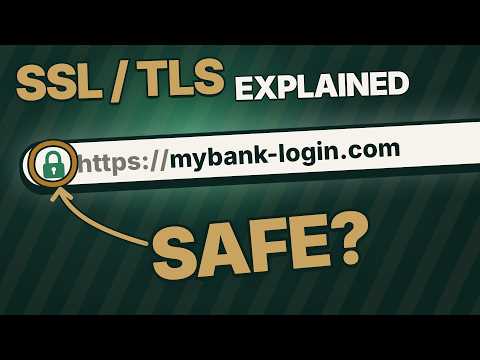
Identifying a Secure VeryWell Connection
It’s easy to verify if your connection to a website is secure. Before entering any personal information, always check the address bar in your browser. A secure site, including VeryWell, will have two key indicators. First, the URL will begin with ‘https://’ instead of ‘http://’—the ‘s’ stands for secure. Second, you will see a closed padlock icon. Clicking on this padlock allows you to view the site’s security certificate, confirming its validity. Never enter any details on a page that does not display these two signs, as your data would be transmitted in plain text.
What Data Does VeryWell Protect?
Online casinos handle a significant amount of user data, and SSL encryption protects it during transmission. The primary types of information secured include:
- Personal Identification: Your full name, date of birth, and residential address provided during sign-up.
- Contact Details: Your email address and phone number.
- Financial Information: Credit card numbers, bank account details, and e-wallet credentials when making deposits or withdrawals.
- Verification Documents: Copies of your passport, driver’s license, or utility bills uploaded for KYC checks.
- Gaming Activity: Your bet history, game preferences, and transaction records.
Beyond SSL: VeryWell’s Additional Security Measures
While SSL encryption protects data in transit, reputable operators employ multiple layers of security. Data at rest—stored on servers—is also encrypted. Furthermore, robust firewalls prevent unauthorized access to these servers. Regular security audits and penetration testing are conducted to identify and patch vulnerabilities. For the player, using strong, unique passwords and enabling two-factor authentication (2FA) if offered adds another critical layer of account protection alongside the VeryWell SSL infrastructure.
| Document Type | Specific Example | Verification Purpose |
|---|---|---|
| Proof of Identity | Passport, Driver’s License | Confirms your name and date of birth. |
| Proof of Address | Recent Utility Bill, Bank Statement | Verifies your place of residence. |
| Proof of Payment Method | Front of Credit Card (digits masked) | Confirms ownership of the deposit method. |
Your Role in Maintaining Security
Technology alone cannot guarantee complete safety; users must practice good security hygiene. Always ensure you are on the legitimate VeryWell website and not a phishing copy. Be wary of emails requesting your password or verification codes. When claiming a VeryWell bonus or VeryWell free spins, always read the terms to understand the wagering requirements. If a VeryWell no deposit offer seems too good to be true, verify it on the official site. Never share your VeryWell promo code or login details with anyone. Remember, customer support will never ask for your password.
Troubleshooting SSL Connection Issues
Occasionally, you might see a browser warning about a site’s SSL certificate. While this can be a false alarm, it should never be ignored. First, check that your computer’s date and time are correct, as an incorrect setting can trigger this error. If the problem persists, clear your browser’s cache and cookies. If the warning remains, it could indicate a problem with the website’s certificate or a man-in-the-middle attack. In such cases, do not proceed and contact VeryWell customer support directly to report the issue and seek guidance.
